
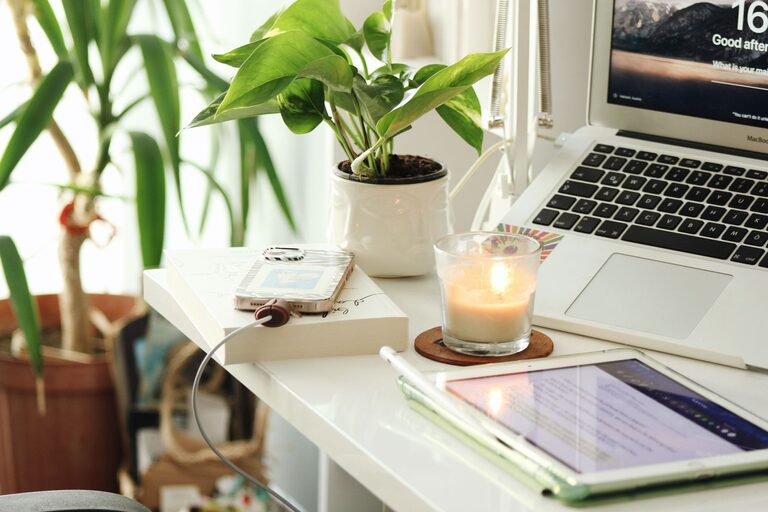
Creating a cozy and inviting home office space can make a significant difference in your productivity and overall well-being. Whether you work from home full-time or need a dedicated spot for occasional tasks, designing a workspace that feels comfortable and welcoming is key. In this post, we’ll explore practical tips to help you transform any corner of your home into an efficient and cozy office.
Why a Cozy Home Office Matters
A well-designed home office improves focus, reduces stress, and encourages creativity. When your workspace feels inviting, you’re more likely to enjoy your time there, which can boost motivation and work quality. Comfort and organization are essential elements to achieve this atmosphere.
1. Choose the Right Location
Start by selecting a quiet, well-lit area with enough space for your desk and necessary equipment. Near a window is ideal — natural light helps reduce eye strain and lifts your mood. Consider how close the space is to distractions like the TV or kitchen, and try to pick a spot where you can work uninterrupted.
2. Invest in Comfortable Furniture
Ergonomics matter for your health and productivity. A supportive, adjustable chair and a desk at the correct height can prevent discomfort during long work sessions. If space allows, consider a standing desk or a sit-stand converter to vary your posture throughout the day.
Look for furniture that matches your style but prioritizes comfort. Your chair should have good lumbar support, and your desk surface should be large enough to hold your essentials without feeling cluttered.
3. Personalize Your Space
Adding personal touches helps make your home office a space you want to spend time in. This could include framed photos, artwork, plants, or meaningful objects. Choose colors and decorations that inspire and calm you — soft neutrals, warm tones, or your favorite hues can all work well.
Plants are an especially good addition. They improve air quality, reduce stress, and add a pop of natural color. Low-maintenance options like succulents or snake plants are easy to care for even if you’re busy.
4. Optimize Lighting
Good lighting is essential for comfort and to reduce eye strain. Use a combination of natural light and artificial illumination. If your workspace doesn’t get enough daylight, consider a desk lamp with adjustable brightness and color temperature settings. Warm light creates a cozy feel, while cooler light can increase alertness.
Position lights to avoid glare on your computer screen. A lamp with a flexible arm allows you to direct light exactly where you need it.
5. Keep It Organized
A clutter-free environment supports better focus and reduces stress. Use storage solutions like shelves, filing cabinets, or desk organizers to keep papers, office supplies, and gadgets in order. Label containers or drawers for easy access.
Cable management is often overlooked but makes a big difference in tidiness. Use clips or sleeves to keep cords neat and prevent tangling.
6. Use Soft Textures and Materials
Incorporating soft textiles and materials adds warmth and comfort. Consider a plush area rug under your desk, cushioned chair pads, or cozy blankets you can drape over your chair.
Curtains or blinds help control sunlight and add softness to the room. Fabrics in natural fibers like cotton or wool can create a soothing atmosphere.
7. Incorporate Functional Decor
Select decorative items that also serve a purpose. For example, stylish bulletin boards, magnetic whiteboards, or calendars help keep you organized while enhancing the aesthetic. Attractive storage boxes or baskets can hide clutter without compromising style.
8. Manage Noise Levels
If your home is noisy, think about ways to minimize distractions. Noise-canceling headphones can be helpful, or you might add soft furnishings and rugs to absorb sound. White noise machines or gentle background music can also improve concentration.
9. Bring in Inspiring Elements
Add motivational quotes, vision boards, or creative artwork that energize you. A positive, inspiring environment encourages productivity and helps maintain focus through busy days.
10. Regularly Refresh Your Space
Over time, take time to tidy up and update your home office. Swap out decor, rearrange furniture, or add new elements to keep the space fresh and inviting. This can reinvigorate your work habits and prevent the area from becoming stale.
—
Creating a cozy and functional home office doesn’t require a big budget or complicated projects. By focusing on comfort, lighting, organization, and personal touches, you can create a space that supports your work and makes your day more enjoyable. Start with the basics and adjust your setup as you discover what helps you work best. A little effort goes a long way in building a home office you’ll love.