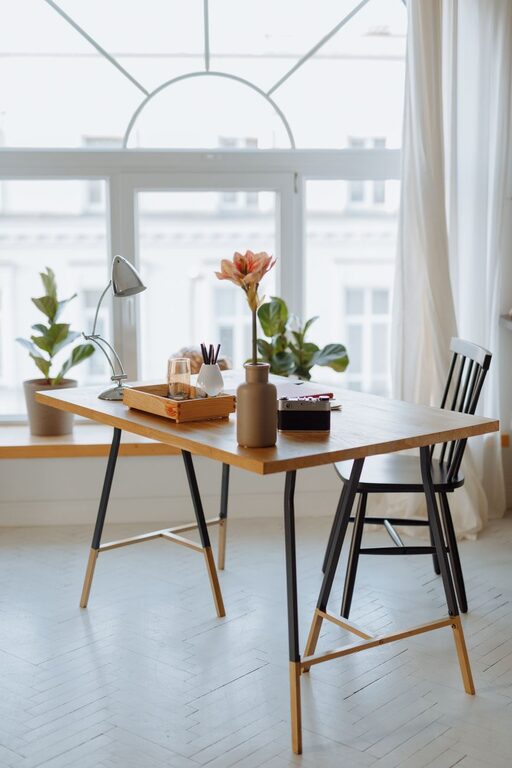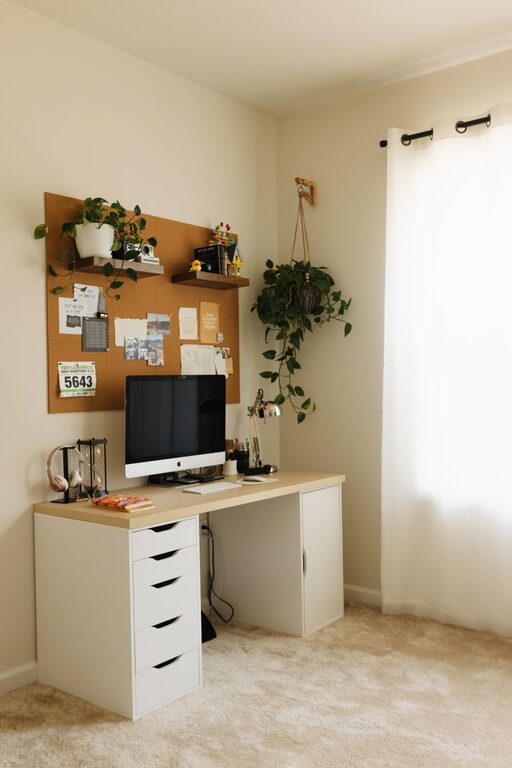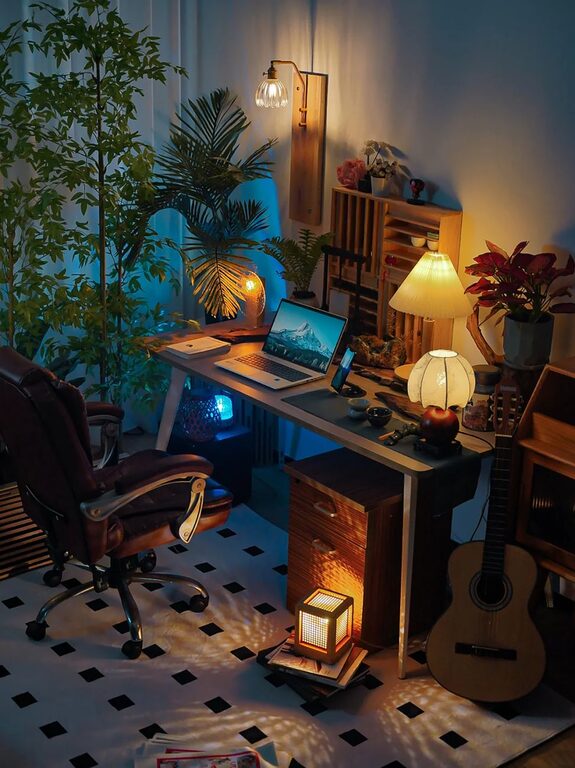
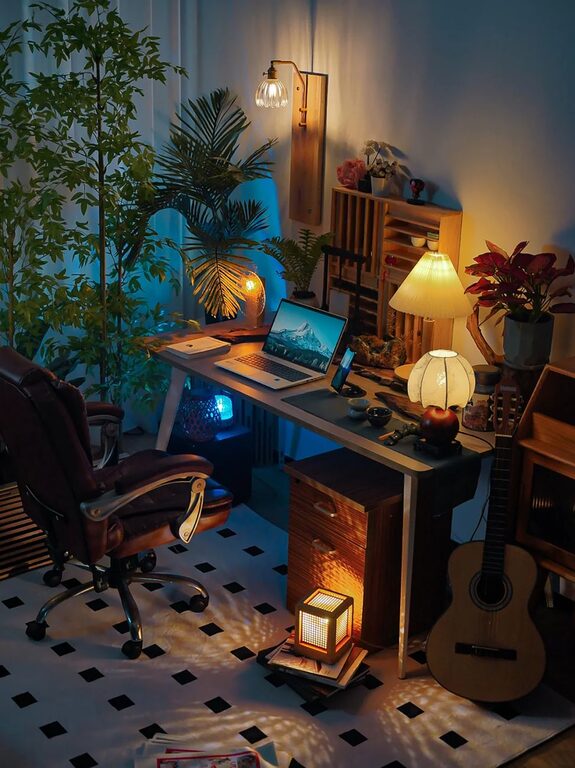
Creating a cozy and inviting home office space is essential for staying focused and motivated throughout your workday. Whether you are working from home full-time or need a dedicated area for occasional tasks, cultivating an environment that blends comfort and functionality can make a huge difference in your productivity and well-being. This guide will walk you through practical tips to design a home office that feels welcoming and inspires creativity.
1. Choose the Right Location
The first step in setting up a comfortable home office is selecting an ideal location. Ideally, pick a spot that offers:
– Natural light: Position your desk near a window to take advantage of daylight, which helps reduce eye strain and boost mood.
– Quiet environment: Choose a quieter corner or room to minimize distractions and improve concentration.
– Adequate space: Ensure there’s enough room for your desk, chair, and storage without feeling cramped.
If space is limited, a small nook or even a well-organized corner of the living room can work well with the right layout.
2. Invest in Ergonomic Furniture
Comfort is key in any home office. Ergonomic furniture supports good posture and reduces the risk of discomfort, which helps you stay focused longer.
Desk
– Opt for a desk with enough surface area for your computer, documents, and any accessories.
– Adjustable-height desks allow you to switch between sitting and standing, promoting movement.
Chair
– Choose a chair with good lumbar support, adjustable height, and comfortable cushioning.
– Armrests and swivel features can add to ease of movement.
Remember, proper desk and chair height are crucial. Your feet should rest flat on the floor, and your arms should remain at a 90-degree angle when typing.
3. Personalize Your Space
Adding personal touches makes your workspace more inviting and reflects your style. Ideas include:
– Artwork or photographs: Hang inspiring artwork or framed photos that bring positive vibes.
– Plants: Greenery not only adds color but also improves air quality and reduces stress.
– Soft textiles: Use a cozy rug or throw pillows to add warmth and texture.
Personalizing your space can make it feel less sterile and more like a place where you enjoy spending time.
4. Optimize Lighting
Besides natural light, good artificial lighting is important to avoid eye strain and fatigue.
– Use a combination of overhead lighting and task lighting, such as a desk lamp.
– Choose bulbs that emit soft, warm light to create a welcoming atmosphere.
– Adjustable lamps help you direct light exactly where needed.
Avoid harsh fluorescent lights that can create an uncomfortable glare.
5. Keep It Organized
A clutter-free workspace supports productivity and reduces stress.
– Use storage solutions like shelves, filing cabinets, or storage boxes to keep papers and supplies tidy.
– Desk organizers can help keep stationery and small items in order.
– Make it a habit to tidy your desk daily to maintain a clean workspace.
Clear surfaces create a visual sense of calm and help you focus on tasks.
6. Manage Cables and Technology
Messy cables can make a workspace look chaotic. Keeping technology organized enhances aesthetics and functionality.
– Use cable organizers, clips, or sleeves to group wires neatly.
– Consider wireless devices like keyboards and mice to reduce cable clutter.
– Position your computer monitor at eye level to prevent neck strain.
Regularly updating technology ensures smoother workflow and less frustration.
7. Add Elements That Promote Relaxation
Incorporating small touches that encourage relaxation can improve your overall work experience.
– A small diffuser with essential oils like lavender can create a calming scent.
– A comfortable throw blanket adds warmth during chilly days.
– A water bottle or small snack station nearby helps maintain energy levels without disrupting focus.
Taking short mental breaks in a cozy environment revitalizes your productivity.
8. Use Colors Wisely
Color choice influences mood and concentration.
– Soft, neutral tones like beige, light gray, or pale blue promote calmness.
– Accents in energizing colors like green or yellow can boost creativity.
– Avoid overly bright or dark colors that might cause distraction or fatigue.
Test paint samples or use removable wall decals to explore different color schemes without commitment.
9. Incorporate Inspiring Elements
Keep your motivation high with inspirational quotes, a vision board, or reminders of your goals. These elements can be simple but effective in creating a positive mindset.
Conclusion
Designing a cozy and inviting home office combines thoughtful furniture choices, organization, lighting, and personal touches. Focus on creating a space that prioritizes comfort and productivity while reflecting your tastes. With these tips, your home office will become a place where work feels more enjoyable and inspiring every day.
—
Creating a workspace tailored to your needs is a valuable investment. Start small, experiment with different ideas, and adjust until your home office feels just right. Happy decorating!